Innovation and Security: What to Try to find in Modern Memory Care Homes
Business Name: Hearthstone South Weber
Address: 6980 S 475 E, South Weber, UT 84405
Phone: (385) 380-3382
Hearthstone South Weber
Our assisted living and memory care community sits in a quiet South Weber neighborhood at the mouth of Weber Canyon, minutes from Ogden Regional Medical Center and close to family across Davis and Weber counties. We offer Assisted Living private studio apartments for seniors who want independence with a helping hand: medications, bathing, dressing, meals, and housekeeping. We also provide Memory Care secure, calm setting with structured routines and 24/7 supervision for residents living with Alzheimer's disease or other dementia. We've cared for residents here since 2019, with attentive caregivers, home-cooked meals, and a calendar full of things to look forward to.
6980 S 475 E, South Weber, UT 84405
Business Hours
People frequently focus on decoration, activity calendars, and meal strategies when visiting memory care. Those matter, however if you want to comprehend how a neighborhood really keeps residents safe and comfortable, inquire about the technology under the hood. The ideal systems lower danger without feeling limiting. The incorrect ones create noise, confusion, and blind spots that just appear when something goes wrong, like a missed out on medication or a fall after hours.
I have strolled countless corridors with executive directors and directors of nursing to trace the path a resident takes in a typical day. Where do they tend to wander, and how does staff understand they are safe at 2 a.m.? What takes place when a family calls to ask if Mom took her evening dosage? Which doors lock, when, and why? The very best operators can show, not simply tell. Their tools fit the rhythms of dementia care and senior care, and staff can explain them without scripts.
Why the innovation matters
Memory care mixes hospitality with clinical watchfulness. Residents live with cognitive changes that impact judgment, balance, sleep, and hunger. One missed out on cue can waterfall into a hospitalization. Thoughtful usage of technology gives teams a second set of eyes, shortens reaction times, and streamlines documents. When it is calibrated well, homeowners hardly ever notice it. They do not hesitate to walk to the garden or sit near a window, yet key dangers are watched silently in the background.
There is also a personal privacy and dignity line that communities need to respect. Not every option that can be set up, need to be. A video camera can reassure a household, however it can likewise undermine trust if used without clear consent and boundaries. Great operators lean into educated choice, transparency, and the minimum effective surveillance needed for safety.
Safety fundamentals, where the physical environment satisfies digital systems
Safety begins with the layout, lighting, and hardware, then extends to sensors and software application. In a well designed community, residents can move in loops that naturally bring them back to staff areas. Visual cues direct transitions instead of locked doors at every turn. Technology ought to reinforce this flow, not battle it.
Door hardware matters. Delayed egress hardware offers staff a defined window to react if a resident tries to leave. Roam management bands can nudge a door to remain locked when a specific resident techniques, while enabling visitors and staff to come and go. The trick is positioning: the very same resident profile in the electronic health record ought to notify who wears a tag, who has a specific care strategy to accompany outdoor strolls, and when the plan changes.
Night lighting is another low tech, high return service. Motion activated, warm spectrum lights that perform at shin level decrease falls from bed to bathroom. Set that with non invasive bed or chair sensors connected to nurse call, and the building ends up being a safety net that catches little problems before they end up being big ones.
Wander management without a prison feel
Families typically ask whether the doors will keep their loved one inside. That is the incorrect first concern. The better concern is how the community supports purposeful roaming, which prevails and healthy for many individuals coping with dementia.
Modern roam management includes discreet wearable tags, geofencing within the property, and software that finds out resident patterns. If Mr. K likes to walk the garden course for 15 minutes after breakfast, staff must see that as green. If his walk encompasses 45 minutes near sunset, when he tends to get disoriented, the system can nudge a caretaker to sign in. Try to find services that highlight modifications from baseline, not just raw locations.
Door alerts must go to the best individuals at the right time. I have actually seen systems that page every caretaker on every door occasion, which numbs the team to genuine threats. Better neighborhoods path informs to the closest offered staff, log response times, and run weekly evaluations to tune limits. They also have clear protocols for prepared trips. A resident who takes pleasure in supervised walks should not be flagged as a danger each time they approach a gate with their child on a Sunday.
Ethics and authorization play a role here. Citizens who can still weigh threats should become part of the choice to wear a tag. Households should comprehend where geofencing uses and how data is kept. Staff ought to know how to eliminate or silence gadgets during showers or treatment, then confirm they are back on.
Fall avoidance and faster response
Every operator will inform you they appreciate falls. The standouts can indicate specifics. Bed and chair sensing units that distinguish restlessness from real egress. Movement sensors that cover blind corners near restrooms. Flooring materials that lower impact in case a fall takes place. These are not theoretical. In one community, moving to softer underlayment and shin height lighting in 3 spaces decreased over night bathroom related falls by more than a 3rd over two months, with no modification in staffing.
Acoustic tracking has developed as well. Instead of shrieking alarms, newer systems listen for patterns that associate with agitation or distress and send a quiet alert to staff handhelds. Even much better, the alert links to a care timely: deal water, check toileting requires, or guide the resident to a familiar seat with a convenience item.
Response time is what residents and households feel most acutely. A reputable nurse call system that routes to mobile phones, timestamps recommendations, and tracks completion is worth the financial investment. Ask what the typical and 90th percentile reaction times are on day shift and night shift. Numbers in the 2 to 5 minute variety are achievable with good layout and training. If a community can not produce the last month's metrics, they most likely are not using their system to its potential.
Medication safety and clinical systems that speak to each other
Medication errors in dementia care can spiral quickly. A solid electronic medication administration record, frequently called eMAR, is fundamental. The workflow ought to be barcode driven, with the resident wristband or image match and the medication bundle both scanned before administration. When a dose is held, the reason should be captured and noticeable to the nurse and the physician, not simply buried in a log.
Automated dispensing carts minimize diversion and tighten control for controlled substances. Pharmacy integration helps also. If the neighborhood's eMAR receives updates directly from the drug store system, dose modifications are less likely to be missed out on during shifts. This is not simply a technical nicety. I have actually seen Sunday evening dose modifications for prescription antibiotics fail to appear on paper until Tuesday, with foreseeable results. A clean user interface shortens that space to minutes.
Clinical documentation needs to be available at the point of care. If a caregiver notifications a brand-new contusion or cravings change, they ought to have the ability to tape it on the spot, attach a quick photo with permission, and flag it for the nurse. Gradually, analytics can appear patterns, like a resident whose hydration dips on hot days or whose agitation peaks when a favorite staff member is off. The objective is not to bury staff in checkboxes, however to catch a few high value observations that drive action.
Cybersecurity and personal privacy you can explain in plain language
Senior care runs in a regulatory soup. HIPAA covers protected health info, state rules include layers, and families rightly anticipate discretion. You do not require a lecture on encryption, however you wish to hear a crisp story about how the community protects data.
Access needs to be function based. Caretakers see what they require for daily tasks, nurses see scientific details, administrators see metrics and staffing. Logins should use multi element authentication for managers and clinical leads. Audit logs ought to capture who viewed or altered records, and those logs need to be reviewed, not just stored.
The network must be segmented. Resident Wi Fi belongs in its own lane, different from medical systems. Visitors must not share a password with personnel devices. Software and firmware updates ought to be on a schedule, with maintenance windows and a fallback strategy in case an upgrade breaks something. When a vendor requires remote gain access to, the neighborhood ought to approve it just for the time required, with visibility into what the supplier does.
Finally, inquire about staff training. Phishing emails do not care that a building has a warm lobby. I have seen good teams nearly derailed by a fake billing link that installed malware on a shared workstation. Quarterly refreshers and fast drills cut that risk.
Cameras and audio: where safety meets dignity
Cameras are a hot button topic in memory care. There is a world of difference in between public area electronic cameras that discourage theft and help rebuild incidents, and cams in resident spaces. The latter require explicit approval, clear policies, and strong safeguards. Even with consent, cameras should never record restrooms, and audio must be off unless a resident and family accept it in composing for a specified time and purpose.
Ask who can see footage, how long it is kept, and how demands are handled. Good practice maintains clips for a restricted period, usually 14 to thirty days, with longer holds just when an occurrence takes place. Access needs to need a manager's approval and be logged. If a family desires a cam in a space, neighborhoods ought to set ground rules: who can view, when, and what occurs if caretakers need to supply personal care. Borders protect everyone.
Family connection without overwhelm
A great family portal lightens the load on the front desk and reinforces trust. Everyday notes, meal consumption summaries, and a couple hearthstonesouthweber.com memory care south weber ut of pictures weekly reassure households without flooding staff with extra actions. Video visits assist when range makes face to face visits rare, but the schedule must appreciate resident routines. A calm resident at 10 a.m. Can be upset at 7 p.m., and technology should not override that reality.
Consent once again matters. A resident who still has capability ought to choose who sees their updates. For those who have actually appointed choice makers, the care plan ought to define who receives access and how often they are updated. Operator judgment shows up in the tone and cadence. A one line note that a resident "refused care" informs a family little bit. A brief note that "Mrs. A declined a shower this morning, accepted a warm wash and hair brush, and walked the patio area after lunch" signals that staff are addressing comfort and dignity.
The facilities you do not see
A memory care neighborhood's network should be as dependable as its supply of water. Expect telltales. Exist access points in hallways at regular periods, or exists one router tucked behind the receptionist's chair? Do staff handhelds reveal strong signals in resident spaces? If the Wi Fi fails, what is the strategy? Many buildings use cellular failover. That is great, however just if the signal is strong and tested.
Power durability is non flexible. Vital systems, like nurse call, roam management, and eMAR gadgets, must ride on battery backups and, for longer outages, a generator. The test is not whether the building has a generator. It is whether the generator kicks in, the last load test passed, and personnel know which outlets are on emergency power. I have stood in spaces with 2 similar outlets, just one of which remained hot in a failure. Caregivers should not be guessing.
Data backups and catastrophe healing complete the picture. If a server stops working or a vendor cloud goes dark, how does the neighborhood keep running? Paper fallback packs for medications and care plans are a wise safety net. Drills reveal whether those packs are existing or gathering dust.
Data governance and analytics without security creep
Operators love control panels. Families care about results. The sweet spot utilizes a handful of measures that connect back to resident well being. Falls per 1,000 resident days, typical nurse call action times, medication mistake rates, and unplanned medical facility transfers tell a functional story. Add a qualitative layer, like sleep quality notes and engagement levels, and staff can plan much better days.
Surveillance creep is a risk. Just because a system can track a resident's every step does not indicate it should. Neighborhoods ought to define a function for each information stream, limitation retention to what is required, and offer citizens or their choice makers a say. If analytics find that a resident's steps drop sharply on weekends, the response ought to be a strategy to support gentle activity, not a tighter geofence.
Staff training and change management, where great tools become great care
Technology does not run itself. The most classy system stops working when a new caregiver does not understand how to silence a false bed alarm. The very best communities bake training into onboarding, run short refreshers monthly, and appoint extremely users on each shift. They likewise encourage feedback. If a door alarm chirps for five seconds every time a personnel person travels through on rounds, that is a dish for alarm tiredness. Frontline caretakers typically know where the friction lies. Leadership requires to listen and adjust.
Change management likewise means starting little. Pilot a brand-new sensor suite in four rooms for 2 weeks. Step the signal to sound ratio. Count real assists and incorrect positives. Meet households to explain the function and gather impressions. Then scale with eyes open.
A useful list for tours
- Show me the nurse call system in action, from a resident space to a caretaker's device, and the last 30 days of action time data.
- Walk me through how wander management works for one resident who enjoys strolling outside, and how staff file those outings.
- Let me see a medication pass, including barcode scanning and how a held dose is taped and communicated to the nurse or physician.
- Describe your network and power strength, consisting of generator testing dates and which systems keep up during an outage.
- Explain your personal privacy practices for cams, household portals, and information gain access to, and how permission is acquired and recorded.
Red flags that deserve follow up
- Staff who can not silence or describe an alarm, or who dismiss regular signals as normal background noise.
- Paper medication sheets used as a main record, or eMAR entries that lag hours behind real administration.
- One Wi Fi router serving an entire floor, or dead zones where handhelds lose connection.
- Vague responses about who can see camera video or the length of time information is kept.
- Leaders who can not produce fundamental security metrics, or who rely on anecdote rather of information to explain performance.
Costs and agreements, the overall cost of ownership lens
Communities deal with genuine budget constraints. Excellent operators look beyond price tag. A cheap wander system that floods personnel with incorrect signals expenses more in turnover and missed out on genuine events. So does an exclusive platform that locks you into one supplier for each part. Ask whether systems are open to standard combinations, how updates are managed, and what assistance looks like after year one.
Leasing hardware can smooth capital, but check the replacement and refresh terms. Wearable tags and batteries need foreseeable upkeep cycles. Vendor agreements should define uptime service levels, reaction times, and solutions if those are missed. Do not ignore training. A bundle that includes on site training for all shifts, plus refreshers after 6 months, deserves a modest premium.
Pilots reduce remorses. Smart neighborhoods run time boxed trials, define success metrics, and include caregivers and households in examinations. You can inquire about the last technology trial the building ran and what they discovered. If the answer is blank stares, that informs you how they approach change.
Respite care, short stays, and the pace of onboarding
Respite care brings a compressed version of all these choices. Families drop a loved one off for a week while they travel or recover. The building requires to onboard rapidly, fit a wearable, enter medications accurately, and explain communication norms, all in a day. This is where tight workflows and friendly, confident staff make a substantial difference.
I have seen a team fail and be successful in the same week. On Monday, a respite admission got to 5 p.m. With hand composed med lists and no recent doctor orders. The eMAR did not match, and the first evening dosage was held while the nurse called the household and the drug store. Tension all around. On Thursday, a brand-new respite arrival included electronic orders from the doctor, the pharmacy combination pulled them in within an hour, the wearable was fitted throughout a welcome tour, and the household portal was set up before supper. The difference was not luck. It was a procedure that anticipated spaces and closed them fast.
Dementia care progresses, therefore needs to the toolkit
Early phase dementia requires various supports than late phase. In earlier stages, technology should protect self-reliance: calendar hints, wayfinding signage with photos, gentle reminders on a tablet that a resident already uses. In later stages, sensory comfort, peaceful nighttime tracking, and streamlined communication take concern. A one size fits all technology stack generally serves no one well.
Skilled groups revisit care strategies regularly. When wandering shifts from purposeful walks to leave seeking late during the night, they change. When a resident becomes sensitive to beeps or bracelets, they try acoustic tracking with less noticeable equipment. Innovation that is modular and adaptable shines in these transitions.
What great looks like, a day in a well run memory care home
Picture an early morning start. Motion lights radiance as residents wake, adequate to guide feet securely to slippers. A caretaker enter Mrs. Lee's space after a quiet timely that her bed sensing unit revealed sustained movement. She greets her carefully by name and provides a warm washcloth. The wearable on Mrs. Lee's wrist is lightweight and soft, the clasp simple to tidy. It does not buzz or blink.
Medication time approaches. In the little dining-room, a med cart parks quietly near the tea station. The nurse scans Mrs. Lee's wristband and the medication bundle. A timely appears: hold the multivitamin up until after breakfast due to nausea kept in mind yesterday. A tap records the change. When Mr. Ortiz declines his stool softener, the nurse selects "declined," includes a brief note, and schedules a tip to reassess in the afternoon.
Midday, Mr. K starts his regular walk. The course is warm however not hot. Personnel see his dot on a map, green as usual. After 20 minutes, the dot moves amber since his path deviates toward a less traveled corner. A nearby caretaker gets a mild buzz and walks out, offers water, and chats as they circle back. No public statement, no shrieking alarm.
After lunch, a child checks the family website. She sees two notes and an image of her mother setting up flowers with a staff member. The note mentions excellent appetite and a suggestion to bring a favorite cardigan. That evening, a brief acoustic alert triggers a caretaker to look at Mr. Ortiz, who has been uncommonly uneasy. A 5 minute discussion, a warm blanket, and dimmer lights settle him. No alarm tiredness, just a nudge at the right time.
At 3 a.m., the power flickers. Emergency outlets stay live, gain access to points on battery keep the network up, and vital systems continue. In the morning, the maintenance lead logs the event, keeps in mind generator run time, and schedules a test.
That is innovation serving care, not the other method around.
Bringing it together
When you tour a memory care community, innovation and security are not side notes. They are the peaceful machinery that shapes safety, dignity, and personnel effectiveness. Strong programs mix easy ecological style with targeted systems: wander management that respects autonomy, fall detection that decreases sound, medical tools that avoid medication mistakes, and facilities that stays up when it matters most. Personal privacy and authorization threads run through it all.
The most telling sign is how confidently frontline staff use their tools. If caretakers can show you how a door alert paths to them, if a nurse can pull up reaction time metrics without calling IT, if the executive director knows the last generator test date, you are taking a look at a structure that deals with innovation as part of care. Combine that with warm interactions and a clear understanding of dementia care, and you have actually discovered a place where your loved one can live, not simply be kept safe.
Hearthstone South Weber provides assisted living care
Hearthstone South Weber provides memory care services
Hearthstone South Weber provides respite care services
Hearthstone South Weber supports assistance with bathing and grooming
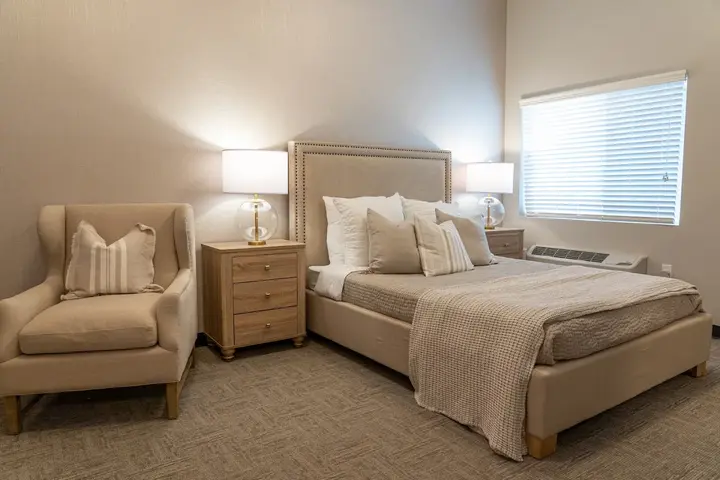
Hearthstone South Weber offers private bedrooms with private bathrooms
Hearthstone South Weber provides medication monitoring and documentation
Hearthstone South Weber serves dietitian-approved meals
Hearthstone South Weber provides housekeeping services
Hearthstone South Weber provides laundry services
Hearthstone South Weber offers community dining and social engagement activities
Hearthstone South Weber features life enrichment activities
Hearthstone South Weber supports personal care assistance during meals and daily routines
Hearthstone South Weber promotes frequent physical and mental exercise opportunities
Hearthstone South Weber provides a home-like residential environment
Hearthstone South Weber creates customized care plans as residents’ needs change
Hearthstone South Weber assesses individual resident care needs
Hearthstone South Weber accepts private pay and long-term care insurance
Hearthstone South Weber assists qualified veterans with Aid and Attendance benefits
Hearthstone South Weber encourages meaningful resident-to-staff relationships
Hearthstone South Weber delivers compassionate, attentive senior care focused on dignity and comfort
Hearthstone South Weber has a phone number of (385) 380-3382
Hearthstone South Weber has an address of 6980 S 475 E, South Weber, UT 84405
Hearthstone South Weber has a website https://hearthstonesouthweber.com/
Hearthstone South Weber has Google Maps listing https://maps.app.goo.gl/VWbP6MrpzTRbZkoG7
Hearthstone South Weber has an Facebook https://www.facebook.com/hearthstone.south.weber
Hearthstone South Weber won Top Assisted Living Homes 2025
Hearthstone South Weber earned Best Customer Service Award 2024
Hearthstone South Weber placed 1st for Senior Living Communities 2025
People Also Ask about Hearthstone South Weber
What assisted living care and senior care services does Hearthstone South Weber provide?
Hearthstone South Weber provides assisted living care designed to support individual resident care needs through personal care assistance, daily living support, life enrichment activities, and compassionate attentive senior care focused on dignity and comfort in a welcoming home-like residential environment
Does Hearthstone South Weber offer memory care services for seniors?
Hearthstone South Weber emphasizes compassionate senior care that supports residents with varying cognitive and personal care needs, with individualized assistance, meaningful life enrichment activities, and a comfortable home-like residential environment. Families should contact the community to confirm the availability of specialized memory care services
What respite care services are available at Hearthstone South Weber?
Hearthstone South Weber can help families explore respite care services that provide temporary senior care, personal care assistance, daily living support, and opportunities for life enrichment activities while prioritizing individual resident care needs, dignity, comfort, and peace of mind. Availability should be confirmed directly with the community
How does Hearthstone South Weber support daily living and life enrichment activities for seniors?
Hearthstone South Weber focuses on personal care assistance, individualized daily living support, and life enrichment activities that encourage social engagement, independence, and meaningful connections while providing compassionate attentive senior care in a comfortable home-like residential environment
Why do families choose Hearthstone South Weber for assisted living care and senior care?
Families considering Hearthstone South Weber can look for assisted living care that emphasizes individual resident care needs, personal care assistance, meaningful life enrichment activities, and compassionate attentive senior care focused on dignity and comfort, along with a welcoming home-like residential environment and opportunities to discuss memory care services and respite care services based on their loved one's needs
Where is Hearthstone South Weber located?
Hearthstone South Weber is conveniently located at 6980 S 475 E, South Weber, UT 84405. You can easily find directions on Google Maps or call at (385) 380-3382 Monday through Sunday Open 24 hours
How can I contact Hearthstone South Weber?
You can contact Hearthstone South Weber by phone at: (385) 380-3382, visit their website at https://hearthstonesouthweber.com/ or connect on social media via Facebook
Canyon Meadows Park offers beautiful mountain views and recreational areas where families connected with assisted living, memory care, senior care, elderly care, and respite care can enjoy fresh air and meaningful time together.