Memory Care Home List: Safety, Staffing, and Specialized Support
Business Name: Hearthstone South Weber
Address: 6980 S 475 E, South Weber, UT 84405
Phone: (385) 380-3382
Hearthstone South Weber
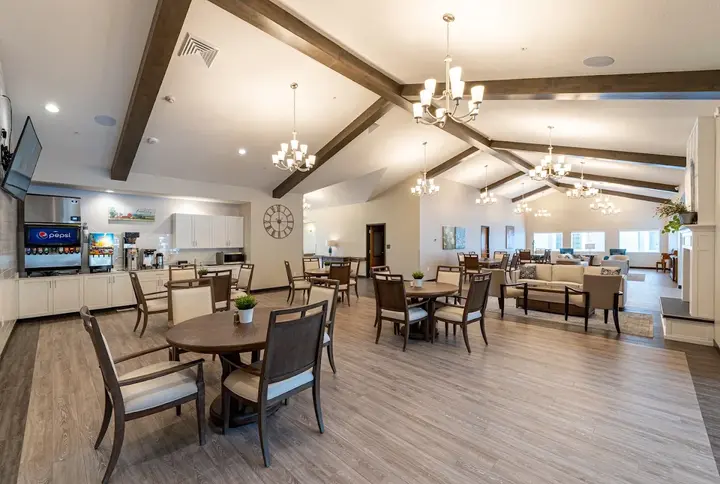
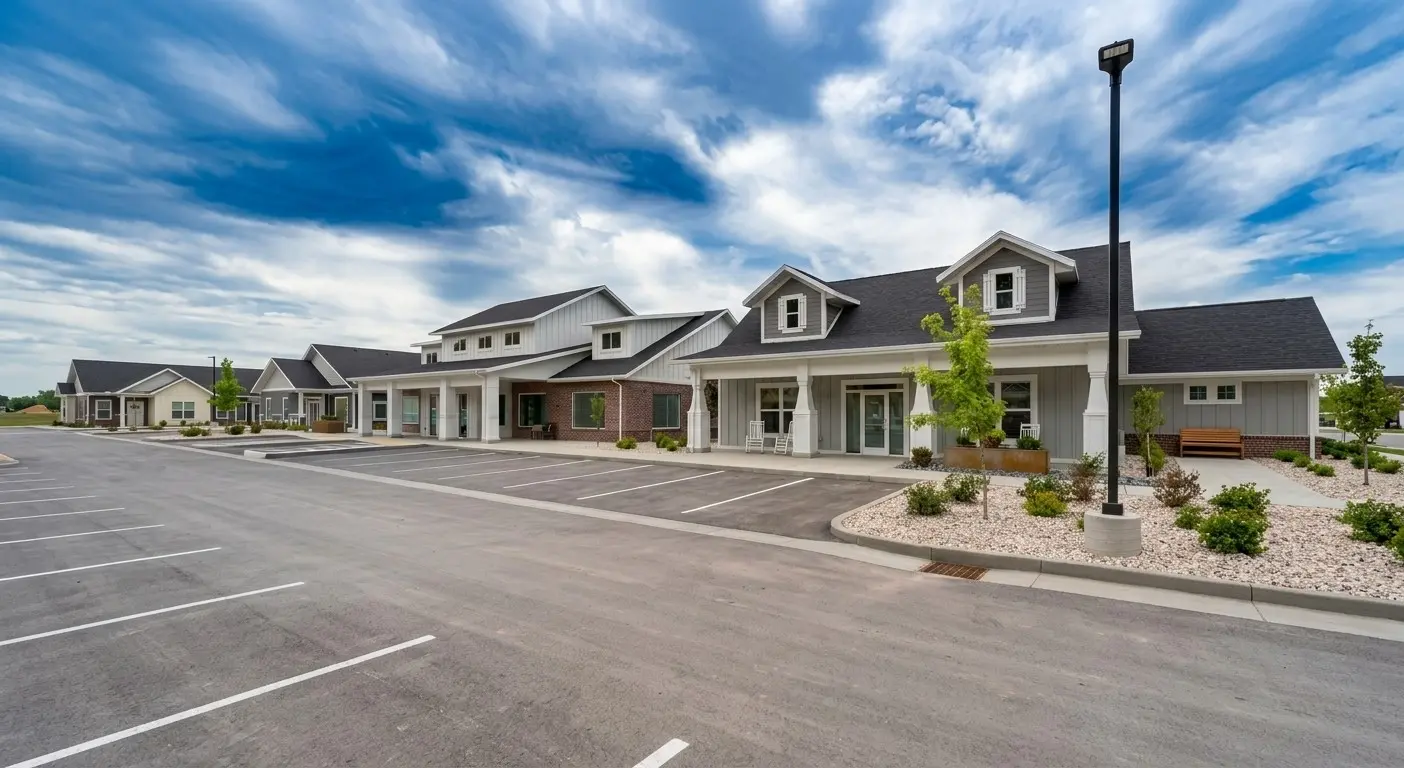
Our assisted living and memory care community sits in a quiet South Weber neighborhood at the mouth of Weber Canyon, minutes from Ogden Regional Medical Center and close to family across Davis and Weber counties. We offer Assisted Living private studio apartments for seniors who want independence with a helping hand: medications, bathing, dressing, meals, and housekeeping. We also provide Memory Care secure, calm setting with structured routines and 24/7 supervision for residents living with Alzheimer's disease or other dementia. We've cared for residents here since 2019, with attentive caregivers, home-cooked meals, and a calendar full of things to look forward to.
6980 S 475 E, South Weber, UT 84405
Business Hours
Families do not choose memory care because life is neat. They choose it since a loved one's memory and judgment have actually moved enough that home no longer feels safe or sustainable. The ideal memory care home can stabilize a stormy season. The wrong one includes threat and remorse. A checklist assists, but it needs to be more than boxes. It must assist how you look, what you ask, and what you feel as you stroll the halls and see the work.
Why the right fit has to do with more than a locked door
People in some cases presume memory care suggests the same thing as a protected assisted living unit. It does not. A locked door keeps someone from roaming outdoors. It does not teach a team member to acknowledge a urinary tract infection before behavior deciphers, or to de-escalate fear without restraints or sedatives. A great memory care home blends security, trained hands, and purposeful every day life. When those parts sync, you see fewer falls, better hunger, calmer nights, and relative who begin sleeping again.
I have actually toured memory care neighborhoods where the lobby shone and the activity calendar sparkled, yet a resident asked the exact same question ten times in three minutes while staff smiled from a distance rather of actioning in with a grounding cue. In another building, nothing was flashy, however the medication cart was peaceful, the assistants called residents by name, and the nurse spotted a small shuffle in a man's gait that hinted at dehydration. The second place is where I would place my own dad.
Safety you can see: the physical environment
Start with what your senses tell you. Corridors ought to be bright without glare. Locals with dementia lose depth understanding and contrast, so matte surfaces, strong color contrast at edges, and even flooring patterns that do not look like holes matter. Take a look at hand rails. If the rail stops at each entrance, an individual with Parkinsonian steps might think twice and lose balance. Constant rails help people keep moving with confidence.
Doors to the exterior should be protected, but not so heavy or camouflaged that they seem like traps. With exit-seeking homeowners, some homes utilize postponed egress doors with alarms. Ask who responds to those alarms and how quickly. I have actually seen great groups show up in under 30 seconds and reroute gently with a walk, a beverage, or a folding task at a table. I have also seen alarms beep for minutes while citizens grow upset. The difference is management and staffing, not hardware.
Bathrooms tell you a lot about fall avoidance and self-respect. Get bars must be wherever a hand may reach in a minute of unsteadiness, including next to toilets and in showers, set at the right height. Non-slip surfaces must be genuinely non-slip, not just textured. If you can, step into a shower and carefully attempt to pivot. If you do not feel consistent, neither will your mother. Drapes should enable privacy and guidance as required. Search for integrated shower chairs or sturdy, tidy benches. One broken seat is enough to undermine somebody's trust.
Fire security is invisible up until it is not. You will refrain from doing smoke-detector tests, however you can ask personnel to show you evacuation paths and where a person utilizing a wheelchair would be moved throughout a drill. Ask when the last drill happened, who led it, and how homeowners reacted. Good groups can recall useful information, such as Mr. B who withstood leaving his space during the last drill and needed a preferred cap and the nurse's hand on his shoulder.
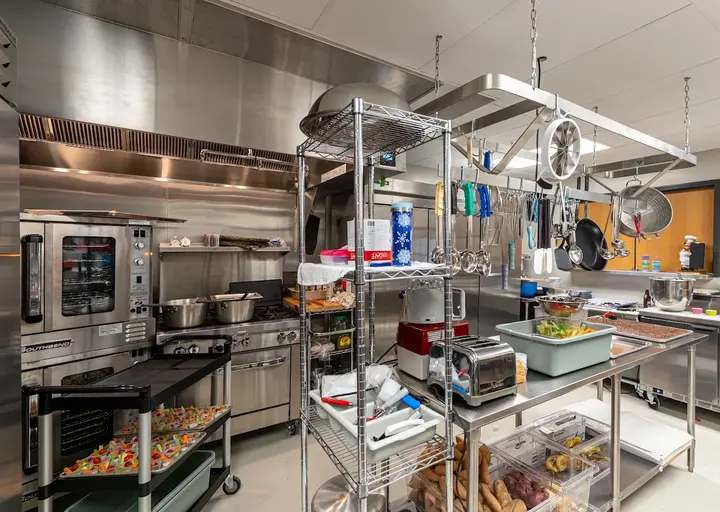
Kitchens and dining-room form behavior. Scent drives cravings, and visible food and open pantries can soothe pacing. However knives and hot surface areas should be managed. View a meal service if you can. Plates with high-contrast rims assist citizens see their food. Adaptive utensils must not be scarce or locked away. If somebody coughs repeatedly while drinking, a speech therapist must be offered for a swallow examination, and thickened liquids ought to be offered without pity or confusion.
Safety you do not see: procedures that prevent crises
Medication management in memory care is both art and discipline. Ask how the home deals with time-sensitive medications such as Parkinson's treatments that lose impact if provided late. In one community I dealt with, a stiff med pass created an everyday rollercoaster for a resident who needed carbidopa-levodopa right at 7 a.m. The repair was basic scheduling and a different reminder on the nurse's phone. You desire a group that individualizes.
Infection control resides in the daily habits you will not discover unless you look. Examine whether soap and hand sanitizer are actually utilized between resident contacts. Throughout breathing infection season, ask how they friend citizens and staff to limit spread. Memory care citizens can not reliably follow masking or distancing triggers. That indicates the home's system needs to safeguard them without relying on their memory.
Falls are made complex. True avoidance blends environment, cueing, and activity. Ask about recent fall rates, but also the action. A strong community evaluates each fall within 24 to two days, looks for patterns, and adjusts care strategies. If you hear a shrug and a resigned, "Falls take place," keep moving.
Behavioral health is where memory care earns its name. People living with dementia can end up being horrified, suspicious, or agitated. Excellent care avoids chemical restraints unless there impends risk. I try to find training in non-pharmacologic approaches, such as utilizing life stories, managed noise levels, purposeful tasks, and short, concrete directions. Aides who understand that Mrs. K calms with a folded towel and a warm washcloth deserve their weight in gold. If the response to agitation is always a sedating tablet, quality of life will drop, and falls and hospitalizations will rise.
Staffing: ratios matter, but stability matters more
Families long for a clear number for staffing. Ratios assist, but they never ever inform the whole story. In lots of strong memory care homes, daytime staffing runs around one direct care personnel for each 5 to 8 homeowners, nights closer to one for every single eight to ten, overnights around one for every single 10 to twelve. State guidelines differ, and skill modifications those needs. A frail resident who needs total help with transfers will absorb more time than someone who only needs cueing to shower and eat.
Beyond headcount, inquire about period and turnover. A knowledgeable assistant who has known your father's gait, state of mind, and smart escape ideas for 2 years is a fall avoidance program all by herself. Stability is a proxy for a healthy work culture. Look at schedules posted on the wall. Are there holes and sticky notes? Are short-lived firm staff filling most shifts? Company staff are typically committed, however constant churn limitations consistency and trust.
Training is the hinge in between a task and an occupation. New hires must get memory-specific training as part of orientation, not an optional additional. Topics ought to include recognizing delirium, communication methods for aphasia and word-finding difficulty, non-drug approaches to distress, safe transfers, and the specific threats of roaming, sundowning, and swallowing issues. Ask about continuous training beyond the first two weeks. Great homes run short, repeating refreshers because abilities fade under pressure.
Leadership sets the tone. Ask how frequently the nurse, executive director, or memory care program director is physically in the unit. Throughout a site visit last winter, I viewed a director circle the dining room, bend to eye level, and ask a resident for a dish idea for the next baking group. That leader knew names, preferences, and family backstories. Personnel watched and mirrored the warmth. Leadership like that is contagious.
What quality dementia care appears like hour by hour
You learn the most by remaining. Show up mid-morning, not simply at the arranged tour time. A location that stages a best 10 a.m. Bingo can still miss all the in-between moments that trigger distress. Enjoy the pace of the space. Are locals taken part in little methods, not simply group activities? Folding laundry, sweeping a patio area, sorting dominoes, kneading dough, watering herbs, petting a calm treatment canine. Individuals with dementia typically feel much better when asked to assist instead of informed to sit and be entertained.
Routines anchor the day, but versatility avoids battles. If your mother always showered during the night, forcing an early morning schedule will backfire. Ask how the group finds out and honors past routines. Search for care plans that check out like an individual, not a diagnosis. "Frank worked nights at the post workplace, likes coffee black, hates loud radios, and calms with baseball highlights" is even more helpful than "late-stage Alzheimer's, prefers quiet environment."
Dining needs to be calm. Citizens with dementia typically eat much better in smaller, more regular meals. Observe if personnel sit at eye level, deal hand-over-hand assistance when suitable, and hint with basic choices. If you see a resident dozing over a plate, notification whether anyone tries to rouse carefully and provide an option. Weight-loss approaches silently in memory care. Strong homes track weights weekly, not monthly, and call families when trends appear.
Afternoons and nights require special attention. Sundowning can spike in between 3 and 7 p.m. I look for relaxing routines: dimmer lights, soft music without ruthless rhythm, familiar tactile tasks, and a foreseeable handoff from day to night staff. If the night system looks disorderly, presume nights are worse.
Family involvement and communication
You will not remain in the unit throughout the day. Interaction patterns matter. Ask how updates are shared, whether by phone, email, or a secure portal. I like teams that set a rhythm, such as a weekly note even when nothing is incorrect, then same-day calls if there is a fall, medication modification, or habits shift. Routine household care conferences matter. They must be more than a checkbox. A good conference seems like a huddle with concrete goals, such as decreasing nighttime pacing or restoring cravings over the next 2 weeks.
Look at how families are welcomed. Are there open checking out hours? Exist spaces that can host a quiet visit, not just a loud lobby? Are you invited to share life stories, pictures, and favorite songs? Houses that treat families as partners make much better decisions quicker. When habits flares, a small detail from a child or boy can unlock the puzzle.
Health services and care coordination
Memory care homes straddle social and medical worlds. Not every building has on-site clinicians, but there should be a clear plan. Ask if there is a registered nurse on website daily, and for the number of hours. Who covers weekends? Which doctors or nurse professionals round, and how frequently? If somebody establishes an unexpected modification in behavior, who screens for delirium and orders laboratories to eliminate infection or medication interactions?
Hospice and palliative care are part of honest dementia care. A strong memory care home invites these partners early. They assist manage pain and agitation without reflexively sending individuals to the medical facility at 2 a.m. For tests that puzzle more than they help. If the home is reluctant to coordinate with hospice, it might lean too heavily on hospital transfers.
Rehabilitation services help more than the majority of families anticipate. Occupational therapists can adapt routines and teach techniques for dressing, bathing, and more secure transfers. Physical therapists build balance and strength, even in late phases. Speech therapists resolve swallowing and interaction. Ask how typically these services are utilized and whether therapists train personnel to rollover exercises between formal sessions.
Costs, openness, and what the contract hides
Pricing in memory care can be straightforward or maddening. Some homes provide complete rates that fold care, meals, housekeeping, and activities into one regular monthly figure. Others utilize a tiered or point system that scales with the level of assistance needed. Both can work, however you require clarity.
Ask for a sample contract and read it slowly. What sets off a relocate to a greater care tier? Who decides? How much notification do you get before a boost? Are there different charges for incontinence materials, transport, or one-to-one supervision during a behavioral flare? If your father declines showers and requires two personnel for a safe transfer, that generally changes his memory care level. You ought to comprehend the cost ramifications before you sign.
Check for discharge criteria. Memory care homes are not hospitals. If a resident ends up being physically aggressive, needs continuous proficient nursing, or needs two-person mechanical lifts beyond what the building can supply, the home may request a transfer. Clear policies avoid shock later. Great teams deal with families to time shifts well, not on the worst day.
The odor, the noise, the feel
People be reluctant to mention smells, but they matter. A faint aroma of lunch is normal. A heavy smell of urine at midday mean poor toileting schedules or insufficient housekeeping. Sounds tell a story too. Continuous alarms develop worry. Good teams silence non-urgent alarms rapidly, not by ignoring them however by reacting quick and adjusting the triggers. The feel of the location is practically physical. Do you notice the weight on staff shoulders, or a steady tempo with room for laughter? Trust your body while you gather facts.
Your on-site strategy: five checks that expose the truth
- Arrive unannounced 30 minutes early and sit in a common area. Watch 2 staff-resident interactions. Keep in mind tone, pace, and whether names and mild touch are used appropriately.
- Ask a direct care aide what they like about working there and what is hard. You will discover more from that answer than from any brochure.
- Peek into 2 restrooms and one shower room. Look for grab bars at multiple points, tidy non-slip floor covering, and reachable supplies. Water spots and missing out on supplies forecast hurried, hazardous care.
- Request to see the activity in progress, not simply the calendar. A full calendar indicates little if real engagement is low. Count the number of locals are getting involved meaningfully.
- Before leaving, ask how after-hours emergency situations are managed. Who responds to the phone at 10 p.m.? Who can license sending a resident to the ER? Clear responses show a coherent chain of command.
Red flags that should have a pause
- Leadership churn, particularly uninhabited nurse or director functions, or a new executive director every couple of months.
- Vague responses about staffing ratios, turnover, or training hours, or a refusal to offer them at all.
- Reliance on PRN sedatives for "sundowning" without mention of ecological or activity-based strategies.
- Dirty dining areas, cold food, or homeowners with consistently stained clothes or untrimmed nails.
- Families in the lobby looking distressed, saying they can not get calls returned, or alerting you off in peaceful tones.
Trade-offs, edge cases, and judgment calls
No memory care home hits every mark. A little residential-style home might deliver exceptional attention and warmth however do not have on-site therapy services. A bigger campus might use medical depth and limitless activities while feeling busy for someone who chooses quiet. Some families prioritize distance over excellence, particularly if a spouse visits daily. Others choose a further community that understands an unique behavior profile. Your checklist ought to feed a conversation with your household about priorities.
One example: a retired electrical contractor in the mid phases of Alzheimer's paced continuously and plucked cables. A captivating, timeless assisted living structure with chandeliers felt hazardous for him. He did better in a newer memory care unit with sealed outlets, sturdy furniture, and a courtyard created for long, looping strolls with visual cues and no dead ends. His spouse missed out on the elegant lobby, however he stopped tripping over rugs and attempting to "fix" lamps.
Another edge case: a resident with frontotemporal dementia who was physically strong, spontaneous, and socially disinhibited. Ratios mattered less than staff training and quick access to behavior specialists. The winning home was not the closest or most affordable. It was the one where the director could walk through a habits plan line by line and call the staff member who had actually practiced it.
How to use this checklist without losing your gut
Gather realities, then give yourself authorization to trust your impressions. If a tour feels hurried or dismissive, that typically reflects daily rate. If staff laugh with homeowners in a way that lands as kind, that too is an indication. Bring 2 sets of eyes if you can. Someone can talk while the other watches. After each visit, compose notes the exact same day. Details blur fast when you are visiting several places.
If you are moving from home care to memory care, sorrow comes along. Anticipate to feel relief and guilt in the very same hour. Good teams understand this and will not make you safeguard your decision over and over. They will welcome you to sign up with care conferences, share your loved one's life story, and become part of the rhythm of the place.
Where memory care earns its name
The best memory care is not babysitting behind a protected door. It is the sluggish, knowledgeable work of recognizing the person still present and constructing a day that makes sense to them. It is the nurse who notices a brand-new lean to the left and calls for a check, the aide who keeps in mind that hot cocoa and a cardigan settle a rough afternoon, the activity assistant who turns a previous mechanic's restless hands into a mild engine restore with plastic parts. It is also the supervisor who stops the alarm noise and replaces it with a calmer workflow.
When you find a memory care home that weaves safety, staffing, and specific assistance into real every day life, you will see it in the little minutes. A resident surfaces lunch and smiles. Somebody who used to roam for hours now folds towels next to a friend. A child who was calling 911 twice a month now spends his visits checking out old fishing publications with his dad. That is the checklist working where it matters.
Hearthstone South Weber provides assisted living care
Hearthstone South Weber provides memory care services
Hearthstone South Weber provides respite care services
Hearthstone South Weber supports assistance with bathing and grooming
Hearthstone South Weber offers private bedrooms with private bathrooms
Hearthstone South Weber provides medication monitoring and documentation
Hearthstone South Weber serves dietitian-approved meals
Hearthstone South Weber provides housekeeping services
Hearthstone South Weber provides laundry services
Hearthstone South Weber offers community dining and social engagement activities
Hearthstone South Weber features life enrichment activities
Hearthstone South Weber supports personal care assistance during meals and daily routines
Hearthstone South Weber promotes frequent physical and mental exercise opportunities
Hearthstone South Weber provides a home-like residential environment
Hearthstone South Weber creates customized care plans as residents’ needs change
Hearthstone South Weber assesses individual resident care needs
Hearthstone South Weber accepts private pay and long-term care insurance
Hearthstone South Weber assists qualified veterans with Aid and Attendance benefits
Hearthstone South Weber encourages meaningful resident-to-staff relationships
Hearthstone South Weber delivers compassionate, attentive senior care focused on dignity and comfort
Hearthstone South Weber has a phone number of (385) 380-3382
Hearthstone South Weber has an address of 6980 S 475 E, South Weber, UT 84405
Hearthstone South Weber has a website https://hearthstonesouthweber.com/
Hearthstone South Weber has Google Maps listing https://maps.app.goo.gl/VWbP6MrpzTRbZkoG7
Hearthstone South Weber has an Facebook https://www.facebook.com/hearthstone.south.weber
Hearthstone South Weber won Top Assisted Living Homes 2025
Hearthstone South Weber earned Best Customer Service Award 2024
Hearthstone South Weber placed 1st for Senior Living Communities 2025
People Also Ask about Hearthstone South Weber
What assisted living care and senior care services does Hearthstone South Weber provide?
Hearthstone South Weber provides assisted living care designed to support individual resident care needs through personal care assistance, daily living support, life enrichment activities, and compassionate attentive senior care focused on dignity and comfort in a welcoming home-like residential environment
Does Hearthstone South Weber offer memory care services for seniors?
Hearthstone South Weber emphasizes compassionate senior care that supports residents with varying cognitive and personal care needs, with individualized assistance, meaningful life enrichment activities, and a comfortable home-like residential environment. Families should contact the community to confirm the availability of specialized memory care services
What respite care services are available at Hearthstone South Weber?
Hearthstone South Weber can help families explore respite care services that provide temporary senior care, personal care assistance, daily living support, and opportunities for life enrichment activities while prioritizing individual resident care needs, dignity, comfort, and peace of mind. Availability should be confirmed directly with the community
How does Hearthstone South Weber support daily living and life enrichment activities for seniors?
Hearthstone South Weber focuses on personal care assistance, individualized daily living support, and life enrichment activities that encourage social engagement, independence, and meaningful connections while providing compassionate attentive senior care in a comfortable home-like residential environment
Why do families choose Hearthstone South Weber for assisted living care and senior care?
Families considering Hearthstone South Weber can look for assisted living care that emphasizes individual resident care needs, personal care assistance, meaningful life enrichment activities, and compassionate attentive senior care focused on dignity and comfort, along with a welcoming home-like residential environment and opportunities to discuss memory care services and respite care services based on their loved one's needs
Where is Hearthstone South Weber located?
Hearthstone South Weber is conveniently located at 6980 S 475 E, South Weber, UT 84405. You can easily find directions on Google Maps or call at (385) 380-3382 Monday through Sunday Open 24 hours
How can I contact Hearthstone South Weber?
You can contact Hearthstone South Weber by phone at: (385) 380-3382, visit their website at https://hearthstonesouthweber.com/ or connect on social media via Facebook
Canyon Meadows Park offers beautiful mountain views and recreational areas where families connected with assisted living, memory care, senior care, elderly care, and respite care can enjoy fresh air and meaningful time together.